
What Every Family Should Know About Lyme Disease, Alpha-Gal Syndrome, and Other Tick-Related Health Concerns
For most of us, ticks have always been one of those things we try not to think about until we’re suddenly standing in the bathroom with a flashlight, inspecting a child who spent twenty minutes running through tall grass.
They’re right up there with sunburns, poison ivy, and finding something mysterious stuck to your kid’s shoe.
You know they’re part of outdoor life, but you hope they stay someone else’s problem.
Unfortunately, ticks have become a much bigger conversation in recent years, and for good reason.
Parents are hearing more about Lyme disease. More stories are surfacing about Alpha-gal syndrome, a condition linked to certain tick bites that can trigger allergic reactions to mammalian meat. Researchers continue studying other tick-borne illnesses, and health agencies are putting more attention on prevention, awareness, and diagnosis.
If it feels like this topic is suddenly everywhere, you’re not imagining it.
And while there’s no reason to panic, there is a good reason to pay attention.
Why You’re Hearing More About Ticks Lately
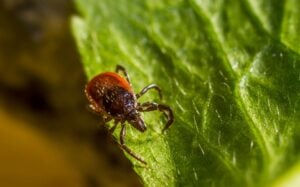
For years, doctors, researchers, and patient advocacy groups have been raising concerns about the growing impact of tick-borne illnesses.
Recently, the U.S. Department of Health and Human Services has announced increased efforts aimed at improving research, awareness, surveillance, prevention, and treatment related to tick-borne diseases and conditions such as Lyme disease and Alpha-gal syndrome.
Part of the reason is simple: more people are spending time outdoors, and tick populations have expanded into areas where they weren’t previously as common.
At the same time, awareness has increased. Conditions that may have gone undiagnosed years ago are now being recognized more often, helping families connect symptoms with possible causes.
For parents, the takeaway isn’t fear.
It’s awareness.
The more we understand, the better equipped we are to recognize symptoms, seek appropriate care, and reduce risks when spending time outside.
More Than Just a Bull’s-Eye Rash
When people think about tick-borne illness, Lyme disease is usually the first thing that comes to mind.
Lyme disease is caused by bacteria that can be transmitted through the bite of an infected black-legged tick, often called a deer tick.
One of the most widely recognized symptoms is the bull’s-eye rash, but here’s something many people don’t realize: not everyone develops that rash.
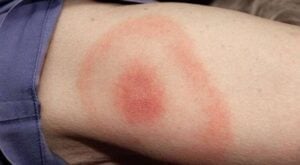
Other symptoms may include:
• Fever
• Chills
• Fatigue
• Headaches
• Muscle aches
• Joint pain
• Swollen lymph nodes
Because these symptoms can resemble many other illnesses, Lyme disease isn’t always immediately recognized.
Many parents are surprised to learn that some people never notice a tick bite at all. Others never develop the classic rash that gets shown in health class posters and online articles.
When caught early, treatment is often effective.The challenge is recognizing symptoms and seeking medical attention when something doesn’t seem right.
For more information on Lyme disease, symptoms, and prevention, visit the CDC’s Lyme disease resource center.
The Tick-Related Condition Many People Have Never Heard Of
Most parents have at least heard of Lyme disease.
Alpha-gal syndrome, on the other hand, often gets a response that sounds something like:
“Wait… a tick can make you allergic to hamburgers?”
As strange as it sounds, the answer is yes.
Alpha-gal syndrome is an allergy that can develop after bites from certain ticks, including the lone star tick, which is common throughout much of the southeastern United States.
Unlike traditional food allergies that cause reactions shortly after eating, Alpha-gal reactions often occur several hours later.
People with Alpha-gal syndrome may experience reactions after consuming mammalian meat such as:
• Beef
• Pork
• Lamb
• Venison
Also things like dairy, gelatin capsules, etc.
Symptoms can vary widely and may include:
• Hives
• Itching
• Digestive distress
• Abdominal pain
• Nausea
• Difficulty breathing
• Severe allergic reactions in some cases
Because symptoms can occur hours after eating, many people spend months or even years trying to figure out what’s causing them.
This is one reason awareness has increased so dramatically in recent years.
Families interested in learning more can visit: https://www.cdc.gov/alpha-gal-syndrome
A Few Other Illnesses Worth Knowing About
While Lyme disease and Alpha-gal syndrome tend to get the most attention, they aren’t the only health concerns linked to ticks.
Rocky Mountain Spotted Fever
Despite the name, this disease occurs in many parts of the United States. Symptoms may include fever, headache, rash, nausea, and muscle pain.
Ehrlichiosis
This bacterial illness can cause fever, chills, headache, muscle aches, and fatigue.
Anaplasmosis
Often producing flu-like symptoms, anaplasmosis is another condition transmitted through tick bites.
The good news is that these illnesses remain relatively uncommon compared to the number of people spending time outdoors every year.
Still, awareness helps parents know when symptoms warrant a conversation with a healthcare provider.
When Something Doesn’t Feel Quite Right
One challenge with tick-related illnesses is that symptoms often don’t appear immediately.
Sometimes a tick bite goes completely unnoticed.
That’s why it’s helpful to be aware of symptoms that develop days or even weeks after spending time outdoors.
Parents should consider contacting a healthcare provider if a family member develops:
• Unexplained fever
• Persistent fatigue
• Joint pain
• Muscle aches
• New rashes
• Unusual allergic reactions
• Digestive symptoms that seem connected to certain foods
Keeping track of outdoor activities and recent tick exposure can provide helpful information for healthcare providers.
As moms, we’re usually pretty good at noticing when something feels “off.” Even if you can’t quite put your finger on it, trust your instincts and don’t hesitate to ask questions.
Can You Get Tested?
Many parents wonder whether testing is available.
The answer is yes, although the type of testing depends on the condition being investigated.
For Lyme disease, healthcare providers may order blood tests that look for antibodies associated with infection. Timing matters because the body may not produce detectable antibodies immediately after exposure.
For Alpha-gal syndrome, a healthcare provider or allergist may order an Alpha-gal IgE blood test. Medical history, symptoms, and dietary patterns are often considered alongside laboratory testing.
If symptoms are ongoing or concerning, it’s important to discuss them with a healthcare provider rather than relying solely on internet searches or social media posts.
Simple Ways to Protect Your Family Outdoors
No parent wants to spend the entire family hike conducting tick surveillance.
The goal isn’t to turn every outdoor adventure into a military operation.
A few simple habits can dramatically reduce your risk while still letting kids do what kids do best: run through the woods, climb things they probably shouldn’t climb, and come home covered in dirt.
Using insect repellents can help reduce tick exposure. Sawyer Permethrin Fabric Treatment can be applied to clothing and gear, while OFF! FamilyCare repellents remain a popular option for outdoor activities.
Wearing light-colored clothing can make ticks easier to spot.
Long pants tucked into socks may not win any fashion awards, but they can be surprisingly effective during hikes or walks through tall grass.
And perhaps most importantly, perform tick checks after spending time outdoors.
Checking behind the knees, around the waist, under arms, along the hairline, and behind the ears can help catch ticks before they remain attached for extended periods.
So You Found a Tick. Now What?
Let’s be honest.
Finding a tick attached to yourself is unpleasant.
Finding one attached to your child somehow feels worse, even though the removal process is exactly the same.
The good news is that experts recommend a straightforward approach.
Using fine-tipped tweezers, grasp the tick as close to the skin as possible and pull upward with steady pressure.
Avoid twisting, crushing, or using folk remedies such as nail polish, petroleum jelly, or matches.
After removal:
• Clean the area thoroughly
• Wash your hands
• Monitor for symptoms
• Note the date of the bite
Some families choose to save the tick for identification, particularly if symptoms develop later. A GOOD IDEA!
Services such as TickCheck offer tick identification and testing options for those who want additional information.
Where to Learn More
For families looking to learn more, several organizations provide reliable information and educational resources:
CDC Tick InformationCDC Alpha-gal Syndrome InformationGlobal Lyme AllianceLymeDisease.org
The Good News
Camping trips. Soccer tournaments. Nature walks. Fishing weekends. Backyard adventures that somehow end with everyone needing a bath.
Those experiences are part of childhood, and they should stay that way.
The goal isn’t to make families afraid of the outdoors. If anything, it’s the opposite.
Knowing what to look for, understanding the symptoms, and taking a few practical precautions can help you spend less time worrying and more time enjoying the things that make being outside worth it in the first place.
Because the outdoors is still one of the best places for families to make memories.
We just know a little more now about what to watch for along the way.
If this topic has you thinking more about family health, wellness, and some of the conversations more parents are having right now, you may also enjoy:
The Rise in Childhood Anxiety: What’s Behind It?
A closer look at the factors many experts believe are contributing to increasing anxiety levels in children and teens, along with resources families may find helpful.
Bright Colors, Big Questions: What to Know About Artificial Food Dyes
Why more parents are paying attention to ingredients hiding in everyday foods and drinks, and what to know about the growing conversation surrounding artificial dyes.
From Sneezes to Surprises: Motherhood Is Beautiful and Also a Little Leaky
A lighter, relatable look at some of the physical realities moms experience that nobody seems to talk about until you’re living through them.
The Low-Effort Travel Trend Moms Are Embracing
Why more families are choosing simpler, less stressful vacations and what that shift says about modern family life.
Because when it comes to raising healthy families, many of these conversations are connected, from what we eat and how we feel to the environments we’re spending time in every day.
