
Peptides are suddenly everywhere.
They are in skincare. They are in wellness conversations. They are showing up in fitness circles, longevity discussions, and even in everyday routines.
And if you have found yourself wondering what peptides actually are, or whether they are something you should care about, you are not alone.
Because while the word sounds a little intimidating, the concept is surprisingly simple.
So, What Exactly Are Peptides?
At their core, peptides are small chains of amino acids. Amino acids are often called the building blocks of protein, and peptides are essentially short pieces of those proteins.
Your body naturally produces peptides all the time. They help regulate everything from hormones to immune function to how your skin looks and feels. Think of them as messengers, constantly sending signals that tell your body what to do, whether that is repairing tissue, producing collagen, or maintaining balance.
• Support collagen production in skin
• Help repair tissue and muscle
• Assist with metabolic and hormonal signaling
• Play a role in immune response
As we age, natural peptide production can slow down, which is part of why changes in skin, recovery, and energy start to become more noticeable.
Why Are Peptides Suddenly Everywhere?
Peptides are not new, but the way they are being used and talked about has shifted. There is a stronger focus now on supporting the body rather than trying to override it, and peptides fit naturally into that approach.
They align with what many people are looking for right now, smarter skincare, more thoughtful wellness routines, and solutions that work with the body over time instead of offering quick, temporary fixes.
What Do Peptides Actually Do?
This is where peptides start to feel less like a buzzword and more like something useful. Different peptides have different roles, which is why they show up in so many categories.
1. Skin Health and Anti-Aging

Peptides are widely used in skincare because they signal the skin to produce more collagen, which helps improve firmness and texture over time. This is why they are often found in moisturizers and serums designed to support aging skin.
Products like the Olay Regenerist Micro-Sculpting Cream helped bring peptides into the mainstream, while newer independent brands are taking a more targeted approach. The Naturium Multi-Peptide Moisturizer focuses on hydration and barrier support, offering a more ingredient-focused option.
2. Muscle Growth and Recovery

Peptides play a role in signaling the body to repair and rebuild tissue, which is why they are often discussed in fitness and recovery spaces. This becomes increasingly important as the body ages and recovery naturally slows.
While more advanced peptide therapies require medical supervision, everyday options like collagen supplements offer a simple entry point. The Vital Proteins Collagen Peptides Powder is widely used, while the Further Food Collagen Peptides is a smaller, wellness-focused brand known for clean sourcing.
3. Metabolism and Weight Support

Some peptides are involved in regulating appetite, blood sugar, and how the body uses energy. This is one of the reasons peptides are part of larger conversations around metabolic health.
While prescription options often get the spotlight, the broader focus is on supporting the body’s natural systems. Products like Ancient Nutrition Multi Collagen Protein provide amino acids that support these processes, while HUM Nutrition Flatter Me Digestive Enzymes supports digestion, which plays a role in overall metabolic balance.
4. Hair Growth and Scalp Health
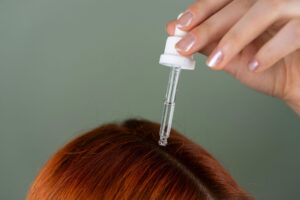
Peptides are also used in hair and scalp products to support healthier, fuller-looking hair over time. They can help strengthen follicles and improve scalp conditions, which are both important for growth.
The Ordinary Multi-Peptide Serum for Hair Density is a popular option, while brands like Vegamour GRO Hair Serum and Act+Acre Cold Processed Scalp Detox Oil take a more holistic approach by combining peptides with scalp-focused care.
5. Overall Wellness and Longevity

Peptides are increasingly being studied for their role in immune function, inflammation, and overall cellular health. This is where they move beyond beauty and into broader wellness conversations.
While research is still evolving, interest continues to grow as more people focus on long-term health and supporting the body’s natural systems. Products like Thorne Collagen Plus combine collagen peptides with additional nutrients to support skin, joints, and cellular health, while BUBS Naturals Collagen Peptides offers a clean, minimal-ingredient option designed for daily wellness and recovery support.
Are All Peptides the Same?
Not at all. There are hundreds of different peptides, and each one has a specific role depending on how it is used.
• Some are found in everyday skincare products
• Some are included in supplements like collagen powders
• Some are medical-grade and require professional supervision
Understanding that difference is important, especially as peptides become more widely discussed.
Do Peptides Actually Work?
Many peptides can be effective, but results depend on the type, the formulation, and consistency of use.
In skincare, peptides are well supported for improving hydration, texture, and overall appearance over time. In supplements, collagen peptides are commonly used to support skin, joints, and recovery. In medical settings, certain peptides are being studied for more targeted outcomes, though not all are backed by long-term data yet.
They are not a quick fix, but they can be a helpful part of a routine focused on long-term support.
What Should You Look For If You Want to Try Peptides?
If you are curious about trying peptides, it helps to keep it simple. Starting with skincare or basic supplements is often the easiest and most approachable way.
Look for trusted brands, clear ingredient labeling, and products that match your specific goal, whether that is skin, hair, or overall wellness.
The Bottom Line
Peptides might sound complicated, but they are already a natural part of how your body functions.
What makes them interesting is how they can support processes that naturally slow down over time, from collagen production to recovery to overall balance.
They are not something you have to use, and they are not a cure-all. But they are one of the more interesting and evolving areas in both skincare and wellness right now, and that is exactly why everyone is talking about them.
