
At some point, every mom has this moment…
You’re throwing your hair into a ponytail like you’ve done a thousand times, but suddenly it feels… different. The ponytail is smaller. The hair tie wraps one extra time. Your scalp looks a little more visible in bright bathroom lighting (which should honestly be illegal).
And you’re like, Wait. Is my hair actually thinning?
Because it feels like it is.
If this is you, you’re not alone. Hair thinning and shedding has become one of the biggest wellness and beauty conversations on TikTok, especially for women juggling stress, postpartum changes, hormonal shifts, and yes, even the after-effects of Covid.
So let’s talk about it in a way that’s helpful, not scary.
Why Hair Thinning Is Trending So Hard Right Now
Hair loss is not “new,” but what’s changing is how many women are dealing with it at the same time. And also how openly we’re talking about it.
A big reason for this spike? Telogen effluvium, which is the fancy medical term for temporary excessive shedding that happens after your body goes through a stressor. That stressor can be illness, fever, postpartum hormone changes, major stress, surgery, intense dieting, or trauma.
Dermatologists have noted that Covid-19 can trigger temporary hair shedding (telogen effluvium), even when the Covid case was mild.
Translation: you can feel “fine” after Covid and still lose hair later.
The Covid Hair Loss Factor Moms Need to Know About
Here’s the part a lot of women don’t realize until it happens.
Covid-related hair shedding often shows up weeks to months after the illness, not immediately. Telogen effluvium commonly appears about 2 to 3 months after a trigger, so by the time your hair starts shedding, you’re not thinking, Oh, this is from when I was sick in November.
You’re thinking:
“Is this normal?”
“Do I have a bald spot?”
“Am I deficient in something?”
“Why does the shower drain look like Cousin It moved in?”
And while it’s understandably alarming, the good news is that telogen effluvium is often temporary, and many people see improvement over time.
Postpartum Shedding Is Also Part of the Story
If you’ve had a baby in the past year (or honestly even longer), postpartum hair loss can still be a factor.
Postpartum shedding often peaks a few months after delivery and typically improves within a year.
It is brutal, mostly because no one tells you you can feel like you’re going bald while also still wearing nursing bras and eating granola bars over the sink.
It is a season.
Stress Hair Loss Is a Real Thing Too (Yes, Even “Normal Mom Stress”)
We hear “stress causes hair loss” and it sounds dramatic.
But your body doesn’t separate “stress” into categories like:
• serious medical stress
• work deadlines
• toddler screaming for 45 minutes because the banana broke in half
It just knows stress is stress.
Chronic stress can shift the hair cycle and trigger shedding, especially when it stacks on top of other factors like poor sleep, diet changes, hormonal shifts, or illness.
So if you feel like you’ve been running on fumes for years, you’re not imagining the connection.
First, Let’s Clarify: Hair Thinning vs Hair Shedding
These are not always the same thing, and knowing which one you’re dealing with helps.
Shedding
This is when you notice a lot more hair falling out than usual, often all over.
Common causes: illness, Covid, postpartum, stress, medication changes.
Thinning
This is more like reduced density over time, usually more noticeable at the part line, temples, or crown.
Common causes: genetics, hormones, aging, nutritional deficiencies, scalp health issues.
A lot of moms have a mix of both.
Because, of course we do.
“Scalp Care Is Skincare” (And TikTok Was Right)
We spent years buying serums for our faces, then using shampoo like it was dish soap.
Now we’re realizing the scalp is literally the foundation for hair growth.
Scalp care is trending because it works like a system:
A healthier scalp environment can support stronger growth, less irritation, and better hair quality over time.
So what does scalp care actually mean in real life?
Not complicated. Not 12 steps. Not a $400 routine.
Just consistent habits.
The Mom-Friendly Hair Reset Routine (Simple + Actually Doable)
This is the routine moms are doing because it fits into real life.
Step 1: Wash Like You’re Cleaning Your Scalp, Not Just Your Hair
A lot of people wash their hair but skip the scalp. Product buildup, dry shampoo, sweat, and oil can create a “blocked” environment.
A great gentle option that’s widely available:
Vanicream Shampoo (Free of dyes, fragrance, and common irritants)

If you have a sensitive scalp, this is the kind of shampoo that doesn’t add drama.
Step 2: Add a Scalp Serum (Your “Consistency Product”)
Scalp serums are trending because they’re low effort and high consistency. You put it on, you move on, it quietly does its job.
A TikTok favorite with strong availability and brand credibility:
The Ordinary Multi-Peptide Serum for Hair Density
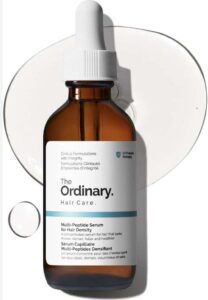
This is especially popular for women noticing early thinning or post-shedding regrowth stages.
Step 3: Scalp Massage (The Easiest “Luxury Habit”)
Not everything needs to be scientific. Sometimes you just need blood flow and a calming moment that makes you feel like a functioning human.
Use a scalp massager in the shower and go in small circles.
A widely available option:
Briogeo Scalp Revival Stimulating Therapy Massager
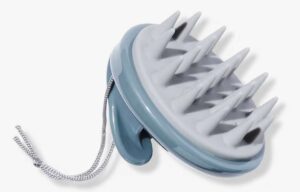
Bonus: it makes shampooing feel like a spa appointment, which you deserve.
Step 4: Take a Break From Tight Styles and Heat
If you’re in your slick bun era, same.
But tension can worsen breakage and irritation.
Try rotating styles and loosening your go-to ponytail. Your edges will thank you.
A gentle, no-snag option:
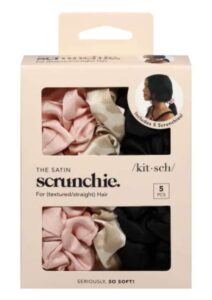
Kitsch Satin Sleep Scrunchies
Step 5: Support Hair From the Inside (Without Going Overboard)
This is where wellness meets beauty.
If your diet has been chaotic (again, relatable), supporting hair from the inside is worth considering.
A popular, widely available supplement:
Nutrafol Women’s Hair Growth Supplement
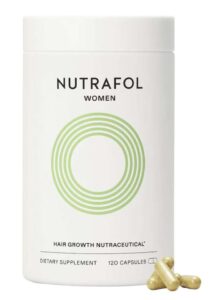
Not everyone needs supplements, but a lot of women use something like this as part of a “regrowth season” routine.
Step 6: Your Sleep Routine Matters More Than Your Conditioner
Hair growth is a long game. It needs recovery time.
If you are chronically sleep deprived (hello motherhood), you’re not alone.
But anything that helps you sleep better supports your whole system, including hair.
And no, this is not me telling you to “get more rest” like you don’t already know.
It’s me saying your body needs a fighting chance.
Quick “Is This a Hair Thinning Season or a Hair Emergency?” Checklist
Ask yourself:
• Did this start a couple months after illness, fever, Covid, or postpartum?
• Does it feel like shedding all over (not patches)?
• Is your stress level basically “surviving”?
• Are you using a lot of dry shampoo or tight hairstyles?
• Is your scalp irritated or flaky?
If yes, you may be in a temporary shedding season. It’s upsetting, but it’s usually not forever.
And if your gut says something is off, trust that too.
The Hard Truth
Hair thinning is emotional. It’s not just “beauty.” It’s identity. It’s confidence. It’s the tiny personal thing that feels like the last straw on a long list of “my body is changing and I didn’t ask.”
But if your ponytail feels thinner, you are not imagining it.
And you are not alone.
The trend is not just about products. It’s about women finally talking about what’s happening and finding routines that are realistic.
Because we are not trying to become someone else.
We’re just trying to feel like ourselves again.
And honestly, that’s a very valid goal.
